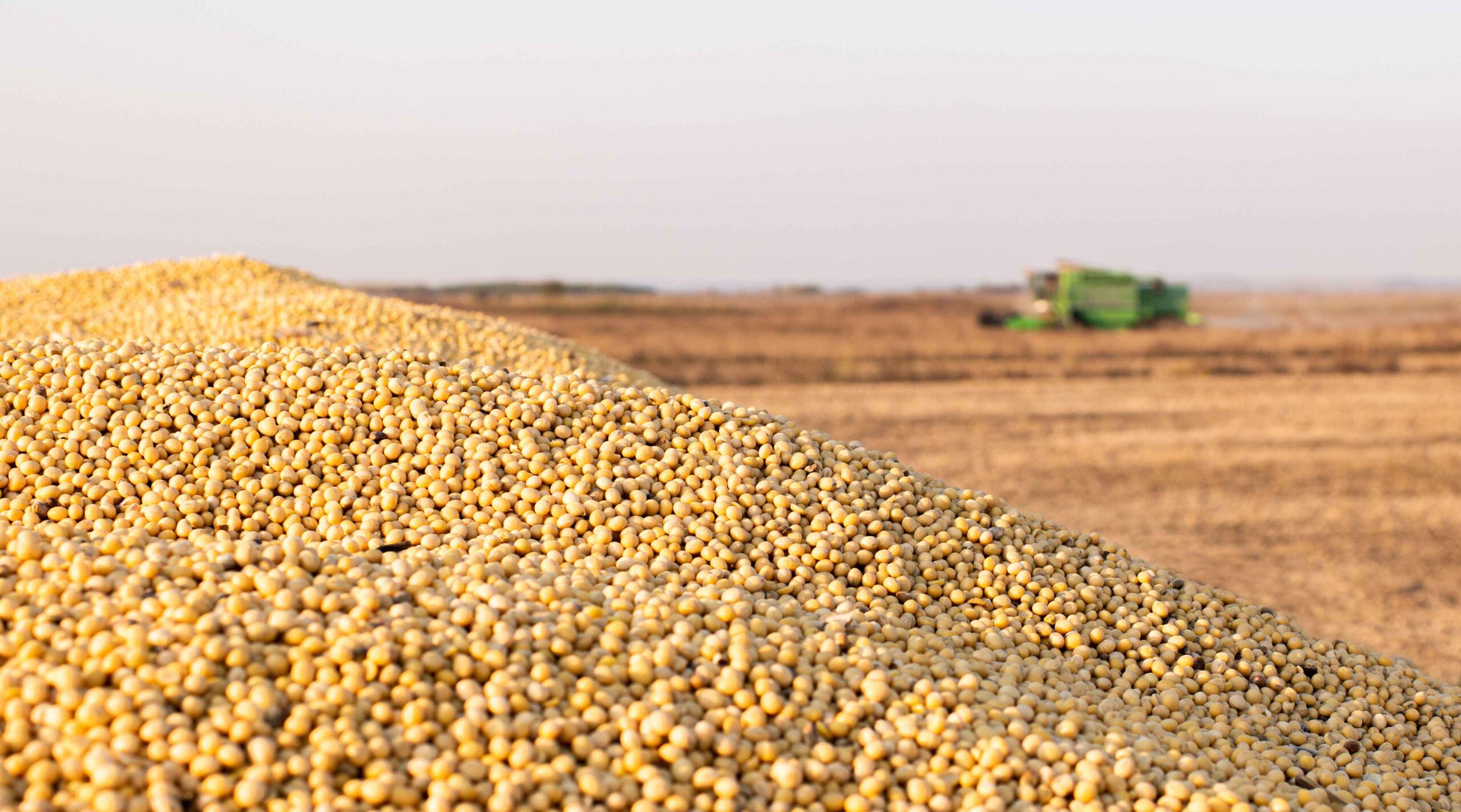
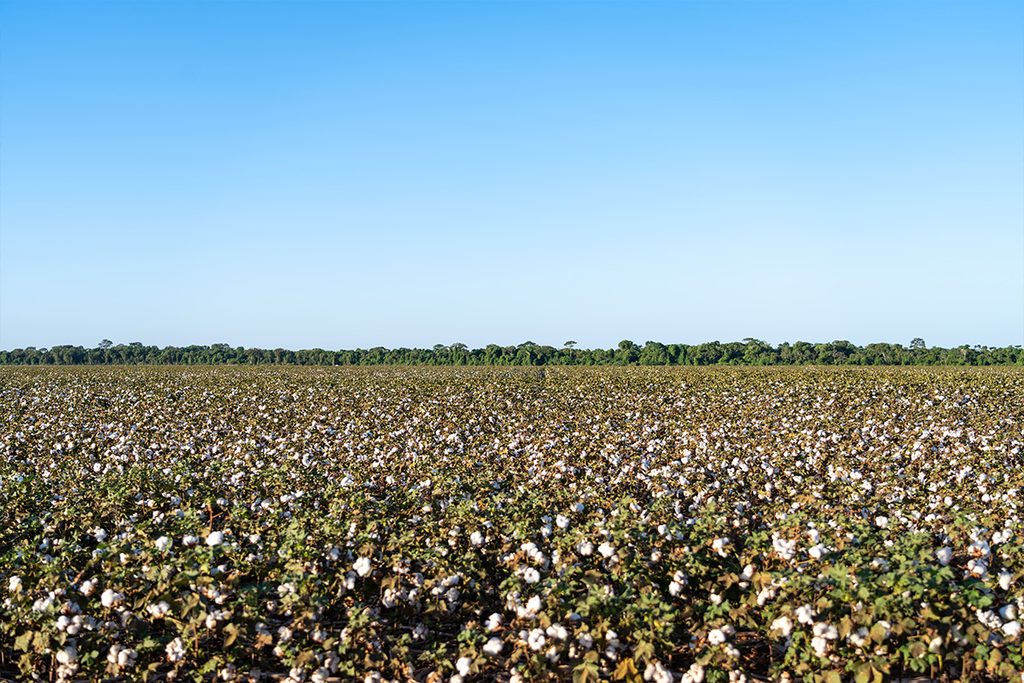
The Brazil oilseed sector dominates the international market, solidifying Brazil’s position as the world’s leading producer and exporter of soybeans. Although soybeans anchor the country’s rank as a global production powerhouse, Brazil is expanding its role in corn germ processing, in addition to supplying a substantial share of specialty oilseeds including peanuts, cottonseed, palm, and sunflower seeds. With record-setting production levels and steadily increasing crush capacity, Brazil oilseeds feed crushing plants, livestock operations, and biofuel programs both domestically and around the world.
For oilseed processors, Brazil’s dynamic combination of scale and diversity creates strategic potential and operational complexity. By understanding the opportunities and constraints that define the Brazil oilseed sector, operators can capitalize on one of the world’s leading oilseed markets.

Brazil oilseed production trends
On track for another record-setting season, Brazil will produce an estimated 192 million metric tons of oilseeds this year. Soybeans dominate the Brazil oilseed sector, making up more than 95% of national output and 42% of the world’s total soybean production.
Although planted soybean area continues to expand, growth has slowed slightly over the last five years — reflecting economic pressures such as increasing input costs, elevated financing rates, and falling prices. Despite these headwinds, improved agronomic practices and advanced technologies help Brazilian soybean farmers maintain strong yields, keeping overall output trending upward even as growth eases.
While the U.S. remains the world’s largest corn production, Brazil’s production continues to expand as corn offers a convenient second crop rotation immediately after soybean harvests. This double cropping system creates costs advantages for farmers while meeting rising domestic demand for corn-based ethanol and byproducts that provide animal feed for the country’s growing poultry industry.
Beyond soybean and corn, secondary Brazil oilseed markets are selectively expanding, as well. For example:
- Peanuts are gaining ground in sandy-soil regions where soybeans underperform, supported by solid export demand for both nuts and oil.
- Cottonseed production is pulling back after two seasons of record-breaking expansion due to higher production costs, falling prices, and competition from alternative crops. Although cottonseed only makes up 3% of total Brazil oilseed output, it accounts for 10% of global production.
- Palm oil is attracting renewed attention, thanks to its long-term growth potential in the Amazon region, securing Brazil’s position as one of the world’s top 10 palm oil producers.
- Sunflower seed production, though minimal, serves as a useful option for crop rotation, with planted area more than doubling in recent years.
Together, these specialty oilseeds offer processors valuable avenues for diversification without requiring a complete shift away from soybeans.
Brazil oilseed crushing infrastructure
Brazil’s oilseed crushing sector is expanding alongside production, fueled by growing demand for vegetable oils in biodiesel and food applications as well as protein meals for livestock feed. The country’s crushing plants operate near full capacity, with utilization reaching 95%.
Export markets strengthen Brazil’s oilseed crushing activity. Last year, nearly 80% of Brazilian soybean exports headed to China, along with 87% of Brazilian peanut oil. Driven in part by trade tensions with competing suppliers, Chinese demand for Brazilian oilseeds and seed oil further strengthened Brazil’s position as a leading global exporter.
While increasing volumes of oil drive Brazil’s growing export market, the majority of defatted meal byproducts satisfy domestic demand. For example, 98% of peanut meal produced in Brazil is consumed domestically as livestock feed. Peanut meal exports are relatively small, but growing. By January 2026, Brazil’s peanut meal exports to China already surpassed the previous year’s total, demonstrating the immediate trade potential created by a recent agreement between the two countries.
At the same time, Brazil’s expanding corn sector plays an interesting role in both global and domestic markets. Ongoing investments in the country’s corn processing infrastructure have resulted in record crush volumes, but most of this processing output serves domestic demand for both fuel and feed. After briefly surpassing the U.S. as the world’s leading corn exporter a few years ago, Brazil’s export volumes have shifted to meet rising domestic demand. As growing local consumption and crush capacity continue to drive down exports, Brazil’s corn market dynamics could put upward pressure on international prices.
The combination of reliable domestic demand and increasing export growth promotes operational agility. Crushing facilities that can efficiently process multiple oilseeds and deliver consistent product quality will be better positioned to capture value in both commodity and specialty markets.
Challenges and opportunities in the Brazil oilseed sector
Despite record-setting production and sustained demand for both oil and meal, the Brazil oilseed sector faces several challenges that impede rapid market growth. For example:
- Production costs continue to rise, along with interest rates for agriculture financing — squeezing producer margins and creating uncertainties around future supply volumes.
- Logistics infrastructure has not kept pace with Brazil’s oilseed production growth. Heavy reliance on trucking leads to higher freight costs, availability shortages, and delivery delays.
- Market concentration adds complexity. Overreliance on a primary export destination like China exposes the sector to trade vulnerability, while limited processing capacity outside core production zones constrains growth potential.
While these factors threaten to compress margins, they also reward operators who can adapt quickly to shifting market conditions. The Brazil oilseed sector offers promising growth potential through evolving domestic and international markets. For example:
- Biodiesel blending mandates provide a rising floor for oil consumption.
- Expanding livestock markets drive high-protein meal requirements to supply domestic feed rations.
- Export channels, particularly for soybean and peanut products, offer additional volume and, in some cases, premium pricing to pad producer margins.
For processors, the Brazil oilseed sector offers low-hanging opportunities tied to operational flexibility. Facilities with diversified crushing capabilities can capitalize on emerging value-added market opportunities alongside steady commodity growth. Processing plants that can seamlessly switch between soybeans and specialty oilseeds — while achieving maximum oil yields and consistent meal quality — can navigate shifting feedstock supplies, price fluctuations, and logistical constraints to squeeze the most potential and profits from Brazil’s oilseed expansion.