As the global population approaches 9.7 billion by 2050, food demand is set to nearly double. With traditional livestock production straining natural resources, alternative proteins offer a sustainable solution for food security.
However, the growth of alternative proteins, and plant based protein in particular, is stunted by misconceptions. Although it can be challenging for plant based protein to mimic the same textures and flavors that consumers expect from real meat, the health and environmental benefits of alternative proteins demand a closer look as processing technologies advance.
What’s driving the popularity of alternative plant based protein, and what’s holding consumers back from trading in burgers for beef substitutes? Let’s examine these trends as we explore how oilseed-sourced proteins are processed and how they might make the global food system more sustainable.
The case for alternative proteins
Facing increased competition for scarce land, water, and energy resources, the traditional food supply chain must evolve as the population grows. The predicted demand for protein, in particular, is drawing attention away from animals as our sole source of this vital macronutrient — especially considering that livestock production accounts for nearly 15% of total greenhouse gas emissions.
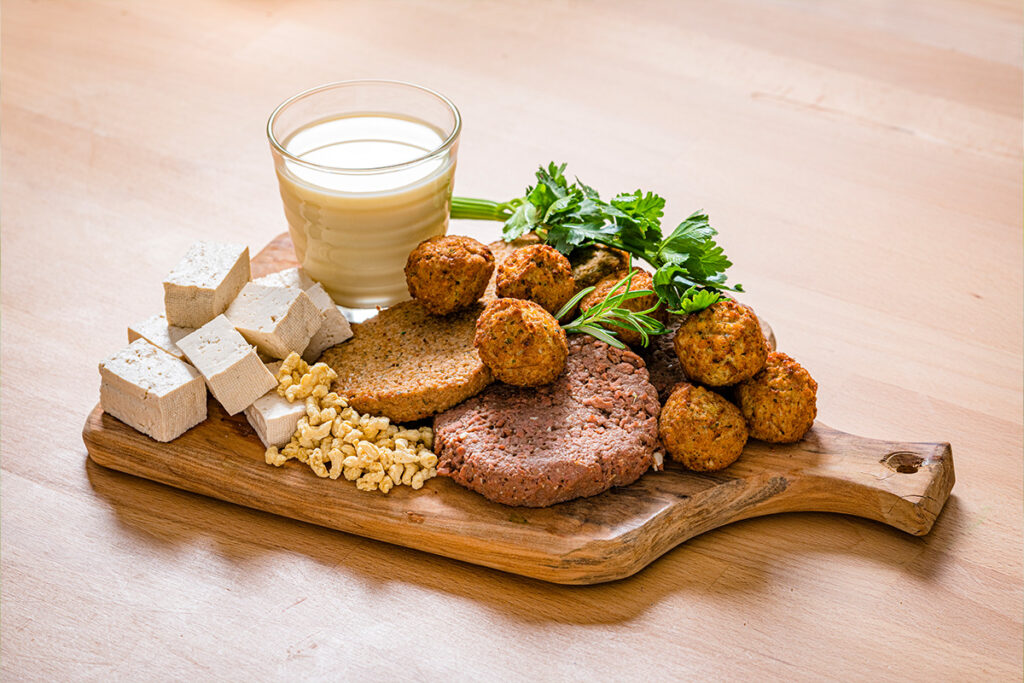
The concept of plant based protein is nothing new, as vegetarians have been consuming soy ingredients for decades. But recent innovations are fueling renewed interest in alternative proteins as food processors aim to replicate the texture and appearance of animal-based products.
Fueled by increased demand, the alternative protein market is expected to expand from $15.3 billion in 2023 to $26.5 billion by 2030. The rapidly growing market share of plant based protein promises plenty of opportunity for soy and other protein-rich seeds.
Concerns over plant based protein
Still, plenty of carnivorous consumers find plant based protein unappealing, due to:
- the flavors and textures of APs compared to real meat,
- concerns about how alternative proteins are processed, and
- confusion about the purported health benefits they offer.
Because alternative proteins are processed, they’re often perceived as ultraprocessed, raising alarms from proponents of the “Make America Healthy Again” movement. Alternative proteins often contain additives such as binders, dyes, and preservatives to mimic the appearance of real meat. Many plant-based meat substitutes also contain elevated levels of salt and saturated fat, which may contribute to heart disease.
A 2021 study in the UK found that plant based protein contained more salt than conventional meat. But when researchers repeated the same study in Australia a few years later, they found that alternative proteins contained less salt than meat. Recent studies suggest plant based protein are much lower in saturated fat and only a bit higher in salt and sugar than conventional meat, thanks to recent advances in alternative protein processing.
There’s also a concern that plant protein sources often contain antinutrients, such as trypsin inhibitors in soybeans that interfere with nutrient absorption and, in extreme cases, lead to gut dysfunction. However, proper processing can deactivate these antinutrients and even improve the nutritional quality of the protein.
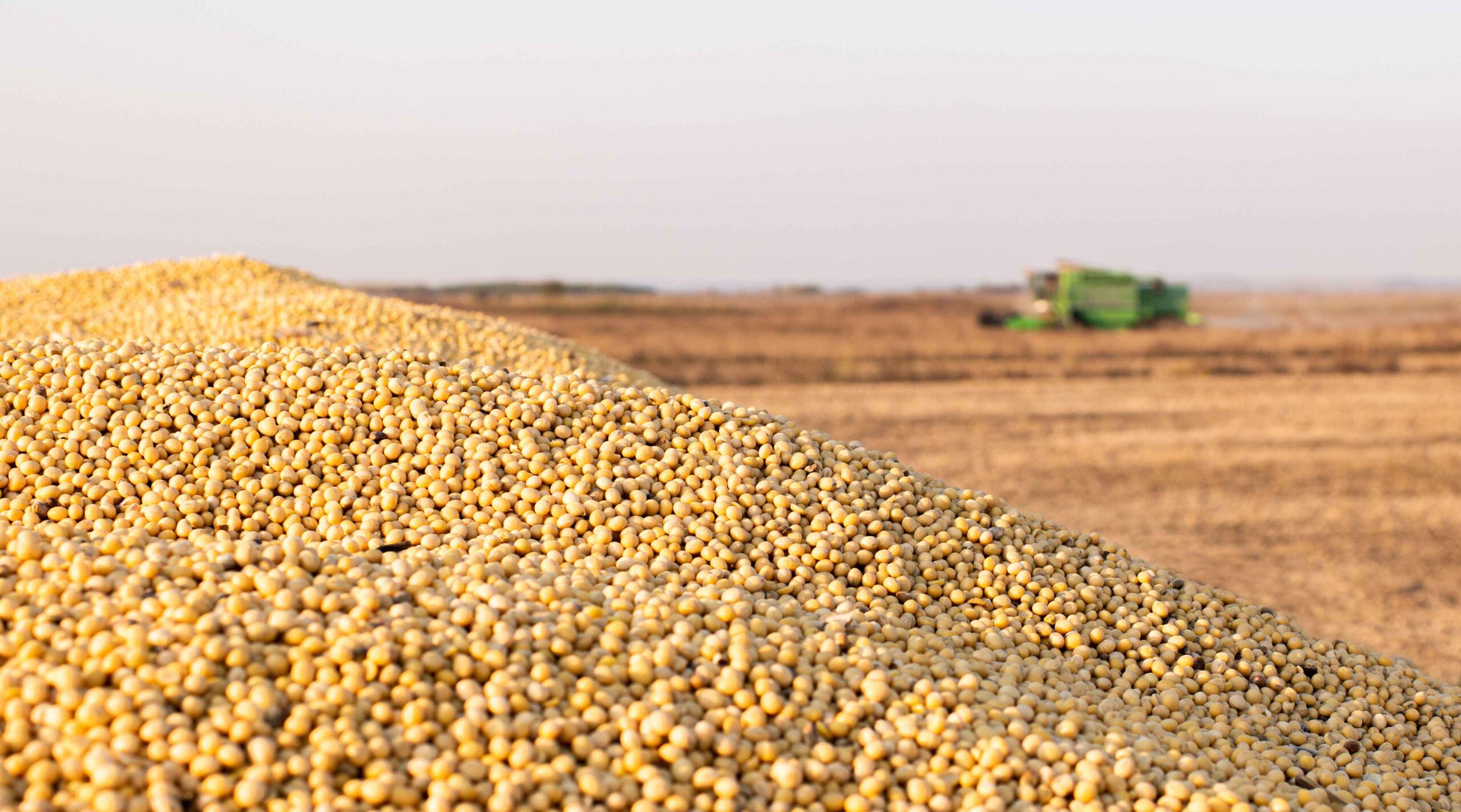
Finally, many consumers associate oilseed-derived ingredients, like soy protein, with solvent extraction methods that use hazardous chemicals like hexane. However, expeller-pressed soy is processed via mechanical extraction, eliminating the need for chemicals and supporting organic production of alternative proteins.
Benefits of plant based protein
Compared to real meat, plant based protein can be good for your health and for the environment. For instance:
- Some research suggests that replacing a traditional beef burger with a plant-based patty can reduce greenhouse gas emissions by up to 98% and land use by up to 97%.
- Plant-based diets are linked to lower risks for chronic disease such as diabetes, high cholesterol, dementia, depression, breast cancer and more.
- Plant based protein provides important antioxidants, vitamins, minerals, and fiber absent in meat.
- Long-term studies connect higher intake of plant based protein with decreased mortality, while higher animal protein consumption shows the opposite trend.
Enhanced plant protein processing
Not all oilseed processing methods can deliver high-quality alternative proteins that meet the demands of health- and eco-conscious consumers in a cost-effective, scalable way. But extrusion can.
High-shear dry extrusion technology like the Anderson Dox™ Extruder works ahead of a mechanical press to optimize proteins in soybeans and other oilseeds without using any chemicals. The Dox uses high heat combined with a short residence time to deactivate harmful enzymes, flash-dry excess moisture, and prepare material for efficient extraction — without degrading protein quality.
Controlling key processing parameters during extrusion helps replicate the texture and structure of meat. For example, optimal moisture content affects the chewiness of the finished product, and the extrusion temperature determines its elasticity. By fine-tuning these variables, processors can engineer premium alternative proteins that differentiate their products.
Extrusion also improves energy efficiency by generating frictional heat through mechanical force. This eliminates the need for boilers and other energy-hogging machines like flaking mills, dryers, and cookers — cutting energy usage per ton in half. An extruder can reduce a processing plant’s environmental footprint while increasing efficiency to help processors capitalize on the growth of alternative proteins.
To learn more about optimizing plant based protein processing with extrusion, contact Anderson International for a demo.