Why Value-Added Processing Matters More than Volume
Although Bolivia plays a smaller role in the global oilseed industry than neighboring countries like Brazil and Argentina, it has carved out an important role as a domestic processing powerhouse. Instead of supplying large volumes of raw seed for global trade, Bolivia’s soybean crush supports the agricultural economy by converting beans into value-added oil and meal.
That processing-centric model has given Bolivia a competitive advantage in domestic and regional markets, creating a compelling opportunity to generate more value from the processing assets already in place.
A market centered on soybean crush
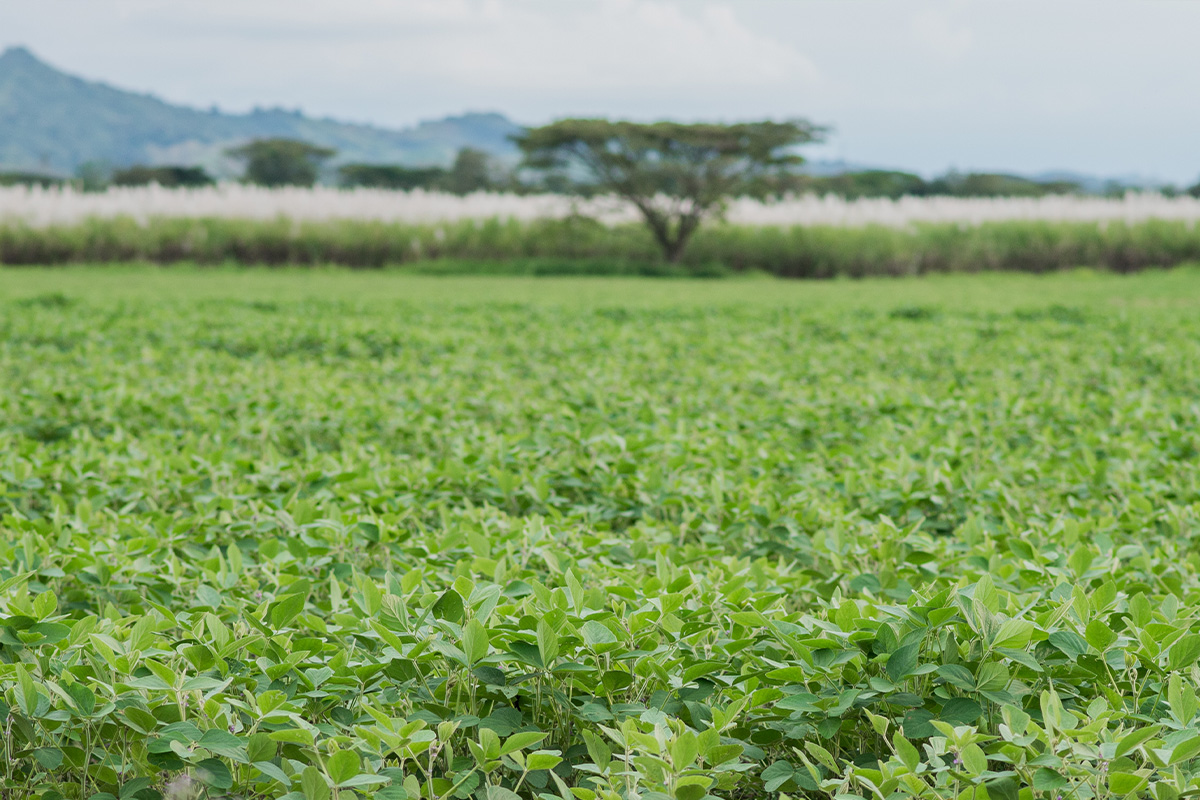
Bolivia produces just under 4 million metric tons of soybeans on less than 2 million hectares, placing it among the world’s top 10 producers even though it supplies less than 1% of global output.
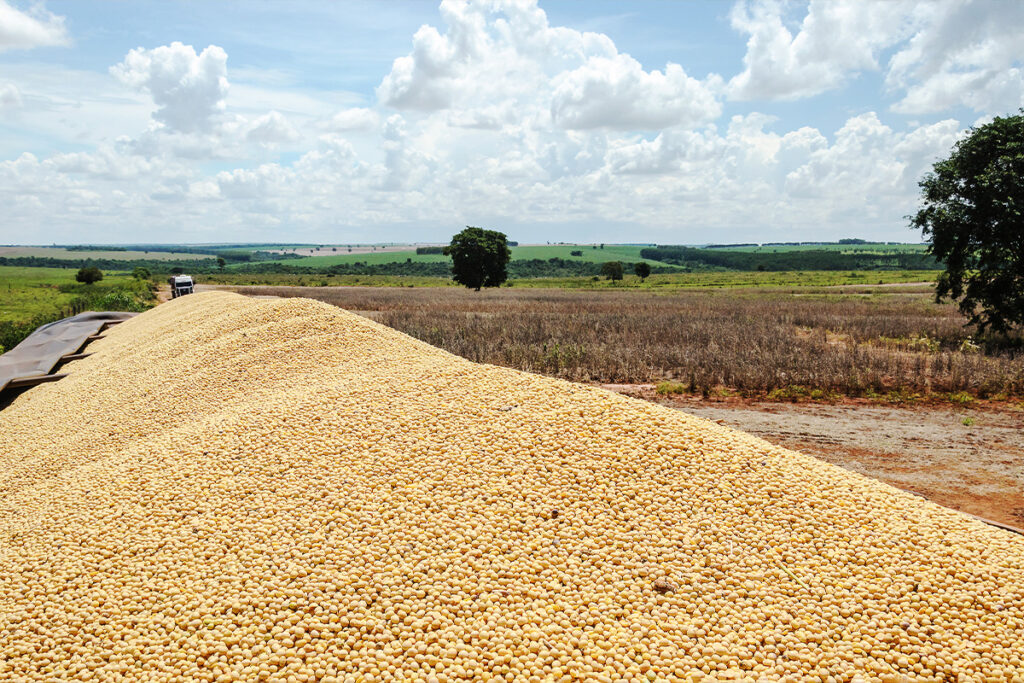
What distinguishes Bolivia’s soybean sector from other top-producing countries is the share of seed processed: Nearly 90% of Bolivia’s soybean crop is crushed domestically. Rather than competing on raw-bean exports, Bolivia converts most of its harvest into feed, food, and fuel products to meet growing demand throughout the region. Bolivia is also known for producing full-fat soybean meal, which contains all of its oil. Full-fat soybean meal matters because it provides protein and energy in a single feed ingredient.
With 10 soybean processing plants and a combined annual capacity of 4.2 million tons, the Bolivia soybean crush sector can process more material than a typical harvest delivers. Recent crush forecasts indicate utilization rates of around 62%, leaving ample idle capacity for future growth.
Bolivia’s trade policy and logistic barriers reinforce this domestic crush model. As a landlocked country, Bolivia faces higher freight costs than other South American markets that have direct access to deepwater ports, raising the cost of every export. The country also enforces a domestic supply policy that reserves 40% of the prior year’s output for the internal market, further limiting raw bean shipments.
Processed products from the Bolivian soybean crush follow a different pattern. In some years, more than 80% of soybean oil and 85% of soybean meal have gone to export markets, placing Bolivia among the world’s top exporters of each product. Domestic poultry and livestock demand, which has risen sharply since 2000, absorbs the remaining meal as feed.
Untapped growth potential
Although a significant share of Bolivia’s soybean crush capacity sits idle even when production peaks, the industry is positioned to increase output using the infrastructure it already has. But first, a few key challenges must be addressed for the country to reach its full crush potential.
- Feedstock yield
The gap between Bolivia’s planted area and its underutilized crush capacity is mainly a productivity problem, as average yields in Bolivia run well below those in Brazil and Argentina. Wider adoption of modern farm equipment and improved seed genetics—including drought- and insect-tolerant traits already adopted by other South American countries—would supply more soybeans to existing plants without requiring new mills.
- Export logistics
Without a seaport, landlocked Bolivia pays more to move oil and meal than other countries with maritime access. Continued investment in roads, railways, river terminals, and the Paraguay-Paraná waterway would reduce freight costs and make Bolivian products more competitive in regional markets.
- Operational flexibility
Soybeans dominate Bolivia’s crush sector, but secondary crops like sunflowers provide an alternative revenue opportunity. Flexible extraction systems that can process multiple oilseeds and produce a variety of end products, from protein-rich meal to high-quality biodiesel, would keep mills crushing even when summer soybean supplies fluctuate.
Next steps for Bolivia soybean crush
Bolivia’s most promising path forward is not to compete with the world’s largest raw-bean exporters. Its primary competitive advantage lies in extracting more value from each ton of soybeans processed. The infrastructure already exists, the regional markets are already established, and the growing demand for meal, oil, and fuel offers room for continued growth.
In a market defined by modest scale and underutilized plant capacity, processors that are equipped to efficiently and consistently recover oil and meal can unlock more value from the Bolivia soybean crush complex.