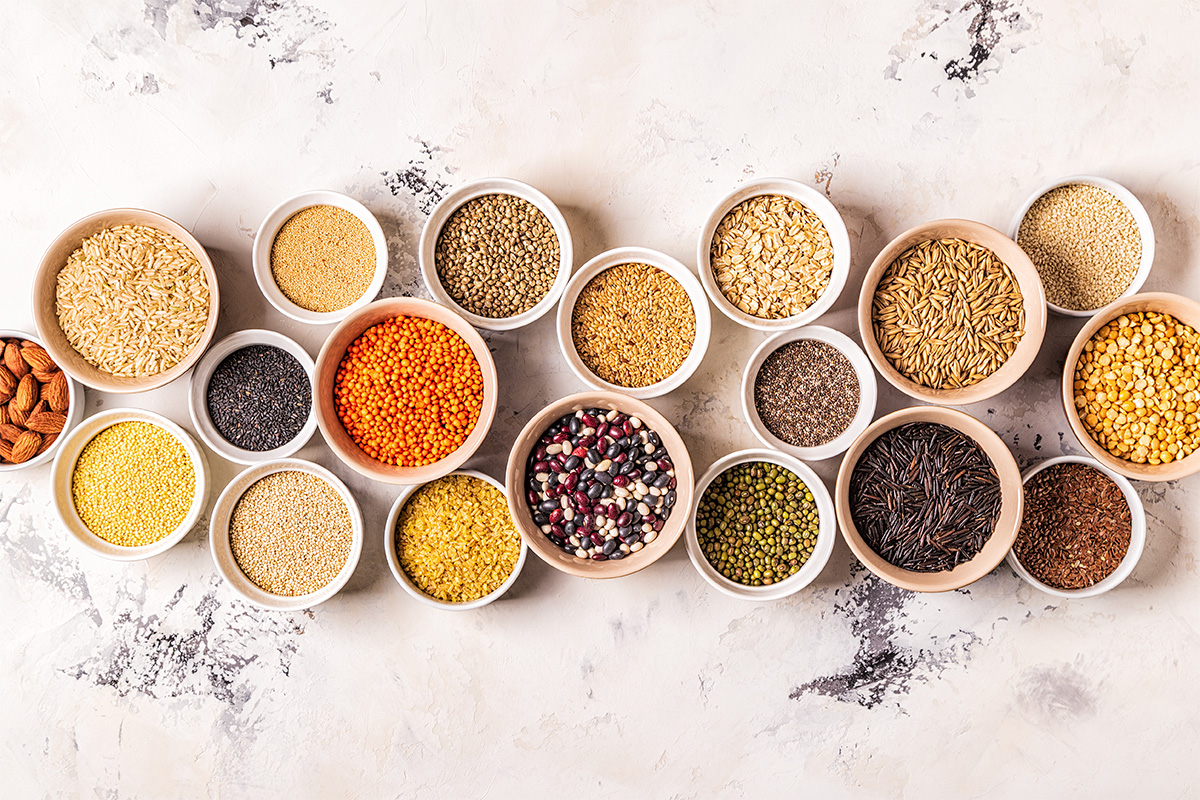
Many people use the terms “nuts and seeds” interchangeably — and incorrectly. Additional subcategories like drupes, legumes, cereal grains, and pseudo-cereal grains make these classifications even more confusing. It’s enough to drive anyone nuts.
However, these seemingly trivial designations make a big difference in distinguishing the unique physical structure that differentiates grains, beans, nuts and seeds — especially when processing each material to extract the oil hidden inside.
By understanding these differences, processors can select appropriate methods to optimize the extraction of each material. So, let’s explore the differences that separate oil-bearing nuts and seeds from their not-so-distant relatives.
Defining the differences
First, as a disclaimer, it’s worth noting that many people ignore the botanical definitions that distinguish nuts and seeds, instead using culinary definitions that blur the lines between these categories. Plus, there are plenty of overlaps and exceptions that make these categories even more confusing. In any case, here’s how the definitions typically break it down.
- Seeds are the fundamental reproductive units of plants, containing an embryo along with stored nutrients (or endosperm) covered by a protective coating. In flowering plants, ripened fruit contains seeds, which serve to propagate more plants. While not all seeds are edible (such as apple seeds and orange seeds), culinary and processing contexts often refer to edible, oil-rich “seeds” cultivated for human and animal consumption. Examples include sunflower seeds, flaxseeds, and hemp seeds.
- Nuts, botanically speaking, are dry fruits with a hard, woody shell, called a pericarp, protecting a kernel. Typically, nutshells don’t naturally split open to release the kernel unless they’re pried or cracked open — a trait known as indehiscence. True nuts include chestnuts, hazelnuts, and acorns. However, in culinary terms, “nut” is used much more widely to include almonds, pecans, and walnuts (which are technically drupes) and peanuts (which are actually legumes).
- Drupes are also indehiscent fruits, known as stone fruits, consisting of a kernel surrounded by three distinct layers. These include the outermost layer of skin, or exocarp; a pulpy layer called a mesocarp; and finally, a hardened shell, or endocarp, that contains a single kernel. Drupes include coffee beans; coconuts; fruits like mangos, peaches, plums, and avocados (where the fleshy mesocarp is consumed and the seed, or pit, is discarded); and culinary nuts like cashews, almonds, and walnuts (where the soft outer fruit is discarded and the edible seed is consumed instead).
- Grains are seeds from grassy crops in the Poaceae family that provide a staple source of carbs, higher in starch and lower in fat than most beans, nuts and seeds. These include cereal grains such as rice, wheat, corn, oats, and barley, and pseudo-cereals outside of the Poaceae family, such as quinoa and buckwheat. Whole grains like brown rice retain all three essential components: the fibrous outer bran layer, the starchy middle endosperm layer, and the nutrient-packed inner germ. Refined grains, like white rice, undergo processing to remove the bran and germ, leaving the starchy endosperm. The byproducts like rice bran and corn germ can be further processed to extract valuable oil.
So, what’s the difference between nuts and seeds, drupes, legumes, and grains? Generally speaking, grains are seeds from grasses, nuts are seeds from trees, drupes are nuts inside fruit, beans are seeds from legumes, and seeds are future plants.
Processing nuts and seeds for oil
While these botanical distinctions may not matter when you’re just topping off a bowl of oatmeal with a handful of dried nuts and seeds, the unique structure of each material directly affects mechanical oil extraction. For example:
- Preprocessing steps will differ, depending on whether nuts need to be cracked, seeds need to be dehulled, or beans need to be conditioned to optimize extraction. Based on the size of each nut or seed, the material may need to be flaked, milled, or ground into smaller pieces before pressing.
- Oil content will vary from one type of seed to another, and can even differ depending on the growing, harvesting, storage, and processing conditions of each batch. Oil-rich materials like coconut, which contains up to 70% fat by weight, need to be double-pressed to capture as much oil as possible. The unique dual-press design of the Anderson Super Duo™ Series Expeller® enables the most efficient use of horsepower by crushing material twice in a single pass. Rice bran, which contains less than 20% oil by weight, on the other hand, needs to be carefully heated in a Solvex™ Expander to stabilize the enzymes before processing.
- Extraction efficiency depends on the unique structure of each seed, nut, grain, drupe, or legume, from its oil content to its hardness and size. Adjusting the preprocessing steps and press settings for each material can maximize oil recovery, reduce equipment wear, and conserve energy. These nuances underscore the need for a versatile mechanical extraction system like Anderson’s industry-leading Expeller® Press, which has been used to crush more than 100 different materials around the world, with some installations from the 1920s still in operation today.
By understanding the differences between drupes, legumes, grains, nuts and seeds, processors can make informed decisions to improve oil recovery, product quality, and extraction efficiency — whether they’re crushing beans, expelling seeds, or pressing drupes.
Still have questions about optimizing your mechanical press for a certain material? Contact Anderson International, the global extraction expert, to learn more.